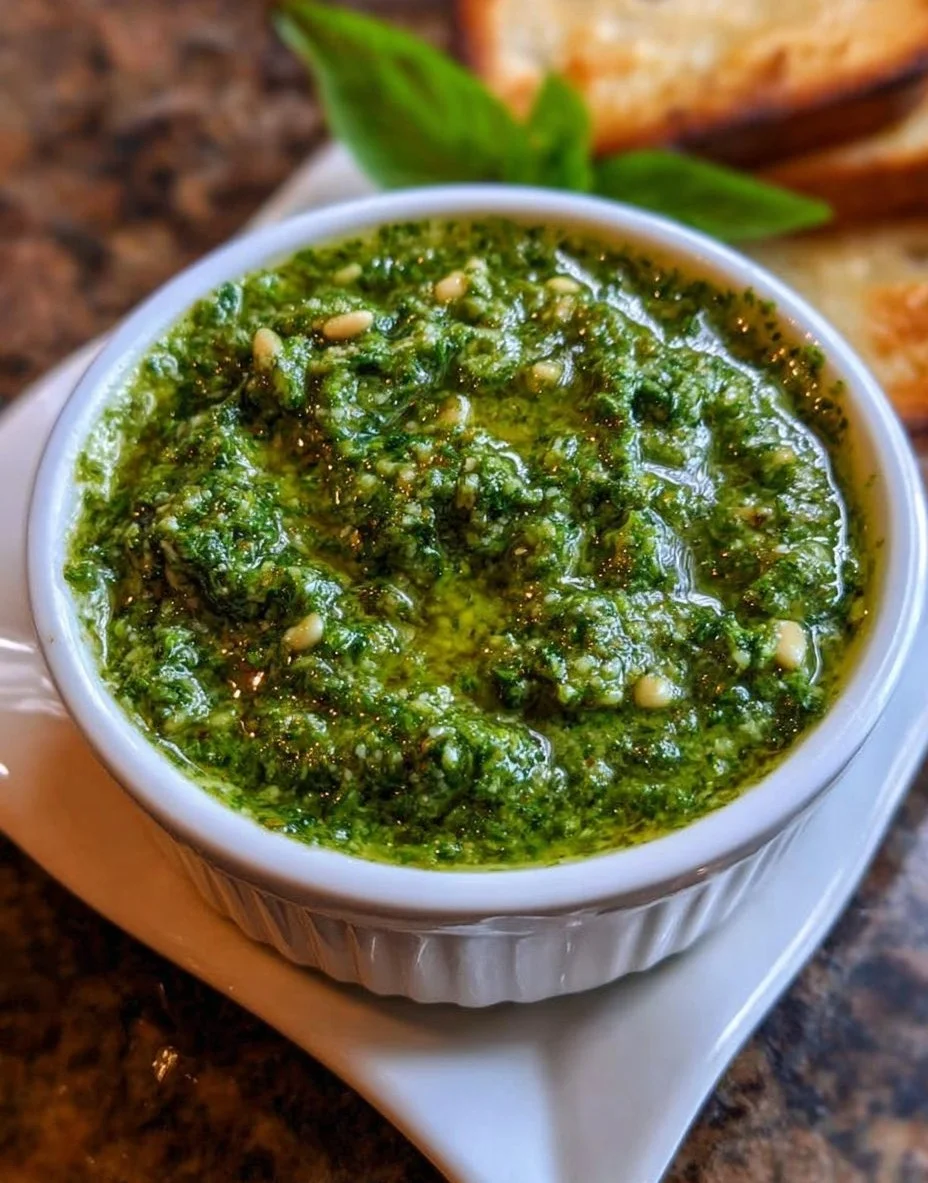
The moment you walk into a kitchen filled with the aromatic essence of fresh basil, something magical seems to happen. The sweet, peppery scent envelops you, tugging at your senses and evoking memories of sun-drenched Italian summers. The leaves, vibrant green and lush, promise a burst of flavor that dances on your palate. As you lift a handful of this herb, the velvety softness feels like nature’s gift, waiting to be transformed into something extraordinary. And with a sprinkle of pine nuts and the sharp bite of garlic, the stage is set for a culinary masterpiece that transcends mere ingredients: welcome to the world of Basil Pesto.
Imagine a dollop of this vivid green sauce tumbling onto a warm, freshly cooked plate of pasta, mingling seamlessly with every noodle. The creaminess of olive oil melds into the richness of Parmesan, punctuated by the delightful crunch of toasted pine nuts, creating a symphony of taste and texture in every bite. It’s not just a sauce; it’s a profound explosion of Italian tradition, lovingly crafted in your very own kitchen. Basil pesto brims with possibilities: it crowns a pizza, complements grilled vegetables, or becomes the secret weapon tucked between slices of crusty bread for a quick yet succulent sandwich.
Why You’ll Love This Basil Pesto
Basil pesto stands out in the culinary landscape for many reasons, but what truly captivates the heart is its versatility. Embrace it during balmy summer nights or cozy winter gatherings; its vibrant flavor does not shy away from seasons or occasions. Picture a picnic spread elegantly showcasing a bowl of this luscious sauce, inviting everyone to dip their fresh vegetables or spread it generously on bruschetta. With its rich combination of taste, nutritional benefits, and ease of preparation, this sauce quickly becomes a staple in your kitchen.
Crafted from just a handful of ingredients, each plays its role harmoniously within the mixture. You will fall in love with the balance of freshness from the basil, the luxurious texture provided by the olive oil, and the umami from the Parmesan cheese. This recipe is not merely about flavor; it’s about creating an experience. Once you whip up your first batch, you’ll find yourself reaching for it on busy weeknights and festive occasions alike, knowing it elevates anything it touches.
Preparation Phase & Tools to Use
Creating this vibrant basil pesto requires only a few essential tools, each crucial for achieving the perfect texture and flavor.
- Food Processor: This is your secret weapon. It finely chops the ingredients and effortlessly combines them into that luscious creaminess we cherish.
- Measuring Cups: Proper measurements make all the difference, ensuring that every flavor stands out in perfect harmony.
- Spatula: A spatula helps you scrape down the sides of the processor to ensure that every bit gets included in the blend.
Before you begin, prepare by washing your basil leaves thoroughly to remove any lingering dirt, and make sure to dry them well afterward. A quick drying method allows the vibrant green color to shine and prevents excess water from diluting your pesto. Lightly toasting the pine nuts adds a depth of flavor that will elevate your dish. Achieving the ideal texture, a balance between chunky and smooth, is key; thus, pulse gently and check often.
Ingredients for Basil Pesto
- 2 cups fresh basil leaves: The foundation of this sauce, fresh basil provides a peppery, aromatic kick.
- 1/2 cup olive oil: Use high-quality extra virgin olive oil for a rich aroma and smooth mouthfeel.
- 1/2 cup grated Parmesan cheese: This cheese infuses nuttiness and a creamy quality that binds the sauce beautifully.
- 1/3 cup pine nuts: These tiny treasures offer a lovely crunch and a buttery flavor.
- 3 cloves garlic: Fresh garlic adds a punch of savory heat.
- Salt and pepper to taste: These essentials enhance all the flavors uniquely present in your pesto.
Feel free to experiment! You can substitute walnuts or sunflower seeds for pine nuts if you desire something unique. For a dairy-free option, use nutritional yeast in place of Parmesan.
How to Make Basil Pesto
- Rinse the basil leaves thoroughly and dry them completely using a spinach spinner or paper towels to ensure no extra moisture affects your pesto.
- In a dry pan over medium heat, gently toast the pine nuts. Stir frequently until they turn golden, releasing their nutty aroma—about 3-5 minutes—then remove them from the heat and let them cool slightly.
- In a food processor, combine the basil leaves, cooled pine nuts, and garlic cloves. Pulse the mixture until finely chopped, reaching your desired consistency.
- With the food processor running, slowly drizzle in the olive oil, watching as the mixture transforms into a smooth and creamy paste.
- Add the grated Parmesan cheese and pulse again until well combined; this ensures the cheese blends evenly into every nibble.
- Season generously with salt and pepper to taste, adjusting as needed to enhance the overall flavor.
- Serve immediately over your favorite dishes, or store in an airtight container for later use.
Chef’s Notes & Helpful Tips
If you’d like to prepare basil pesto ahead of time, it lasts well in the fridge for about one week. Just cover it with a layer of olive oil to prevent browning. You might want to freeze portions in ice cube trays, allowing for quick access to your homemade sauce later on.
Discover different cooking styles: you can opt for an air fryer to toast the nuts, or if you prefer a more rustic approach, chop the ingredients by hand. Enjoy customization? Try incorporating spinach or sun-dried tomatoes for new dimensions of flavor. Go wild with flavors; the essential magic of pesto allows room for creativity.
Common Mistakes to Avoid
One of the most common pitfalls emerges from over-processing the ingredients. Pesto should retain a delightful texture; avoid blending until it becomes a paste. Another mistake arises from using too much garlic, which can overpower the subtle basil flavor. Finally, don’t skip on toasting the pine nuts—they truly elevate your pesto with their rich, buttery taste.
What to Serve With Basil Pesto
Basil pesto pairs beautifully with a variety of dishes, each allowing its vibrant personality to shine. Consider trying it with:
- Pasta: Toss it with your favorite noodles for a quick, delightful meal.
- Pizza: Use as a base sauce beneath fresh mozzarella for a gourmet touch.
- Grilled vegetables: Drizzle over sweet bell peppers and zucchini for flavor-packed sides.
- Sandwiches: Spread generously between slices of ciabatta for a delectable lunch.
- Soups: Swirl into your tomato or minestrone for added richness.
- Dips: Enjoy it as a delectable dip for crusty bread or crisp veggies.
Storage & Reheating Instructions
Place any unused pesto in an airtight container, ensuring it’s covered with olive oil to prevent oxidization. It will keep in the fridge for about one week and can be frozen for up to six months. To reheat, if desired, simply toss it into warm pasta or smear onto a hot sandwich; it doesn’t require a strong heat source, as the richness will shine through without cooking.
Estimated Nutrition Information
Enjoying basil pesto can be a delightful addition to a balanced diet. While specifics vary, here’s a rough estimate per serving (about 2 tablespoons):
- Calories: 200
- Total Fat: 20g
- Saturated Fat: 3g
- Cholesterol: 5mg
- Sodium: 120mg
- Total Carbohydrates: 2g
- Dietary Fiber: 0g
- Sugars: 0g
- Protein: 4g
(Note: These values are estimates and may vary based on specific ingredients used.)
FAQs
Can I use dried basil instead of fresh?
Dried basil lacks the vibrant flavor of fresh basil and should not replace it in pesto. However, you can use it in emergencies or when fresh basil isn’t available—just be cautious with the amount, as dried herbs are more potent.
What if I can’t find pine nuts?
Walnuts or cashews make excellent substitutes. Each nut brings a different texture and flavor, allowing for an exciting twist on the classic recipe.
How do I fix pesto that is too thick?
Adding more olive oil or a splash of lemon juice can lighten the consistency, allowing it to spread or blend more easily.
Is it safe to eat raw garlic in pesto?
Absolutely! Raw garlic in moderation adds a delightful spiciness, but if you’re sensitive to raw garlic, roast it beforehand for a mellower flavor.
Can I make this recipe vegan?
Yes! Simply replace the Parmesan cheese with nutritional yeast or a vegan cheese substitute for a dairy-free version while retaining that creamy, delicious outcome.
Whew! Now that you’ve ventured into the captivating world of basil pesto, don’t hesitate to immerse yourself fully in this culinary delight. This vibrant, creamy sauce embodies the spirit of fresh ingredients coming together in a dynamic dance of flavor. Whether you use it in a classic pasta dish or as a zesty spread, you elevate meals and create lasting memories. Gather your ingredients, unleash your creativity, and prepare to enchant your loved ones with your very own homemade basil pesto! Happy cooking!
Print
Basil Pesto
- Prep Time: 10 minutes
- Cook Time: 5 minutes
- Total Time: 15 minutes
- Yield: 4 servings 1x
- Category: Sauce
- Method: Blending
- Cuisine: Italian
- Diet: Vegetarian
Description
A vibrant, creamy basil pesto that enhances any dish with fresh flavor.
Ingredients
- 2 cups fresh basil leaves
- 1/2 cup olive oil
- 1/2 cup grated Parmesan cheese
- 1/3 cup pine nuts
- 3 cloves garlic
- Salt and pepper to taste
Instructions
- Rinse the basil leaves thoroughly and dry them completely using a spinach spinner or paper towels.
- Toast the pine nuts in a dry pan over medium heat until golden, about 3-5 minutes, then cool slightly.
- Combine the basil leaves, cooled pine nuts, and garlic in a food processor; pulse until finely chopped.
- Drizzle in the olive oil while the food processor runs, blending until a smooth paste forms.
- Add the grated Parmesan cheese and pulse again until well combined.
- Season with salt and pepper to taste, adjusting as needed.
- Serve immediately or store in an airtight container for later use.
Notes
For longer storage, cover with a layer of olive oil to prevent browning. Freeze portions for quick access later.
Nutrition
- Serving Size: 2 tablespoons
- Calories: 200
- Sugar: 0g
- Sodium: 120mg
- Fat: 20g
- Saturated Fat: 3g
- Unsaturated Fat: 15g
- Trans Fat: 0g
- Carbohydrates: 2g
- Fiber: 0g
- Protein: 4g
- Cholesterol: 5mg